



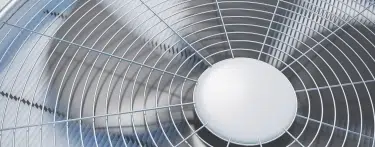
Extended run time during severe heat waves is the primary cause of sudden cooling system failures across Southern Arizona. When outdoor temperatures surge, cooling units run continuously without essential rest cycles, leading to accelerated mechanical wear on internal parts. Homeowners who schedule proactive maintenance or seek prompt support for an air conditioning emergency in Tucson can protect their equipment from total summer breakdowns. Extreme weather places intense demand on cooling hardware, making early detection and expert care vital for maintaining steady indoor comfort when ambient outdoor heat reaches peak levels throughout the summer season.
How Extreme Heat Overworks Your AC System
During mild weather, a cooling unit operates in balanced intervals, cycling on and off to maintain a steady indoor temperature. Extreme desert heat waves disrupt this routine completely. When ambient temperatures remain high for days, system thermostats demand continuous operation, forcing equipment to run for hours without any cooling downtime.
This non-stop operation creates severe component fatigue. Essential parts such as compressor motors, drive belts and fan bearings endure constant thermal load and physical friction. Over time, lubricated parts lose efficiency, motor windings overheat and delicate mechanical bonds begin to degrade under relentless vibration stress.
The cumulative impact of a single desert summer equals multiple years of operational stress in milder climates. Prolonged thermal strain combined with continuous mechanical motion weakens internal components. Without targeted intervention, this constant workload leads to premature system failure right when home cooling is most vital.
5 Warning Signs Your AC Is About to Fail in the Heat
Recognizing early indicators of system distress allows homeowners to address minor mechanical issues before they turn into complete cooling failures during extreme temperature events.
-
Unusual Noises: Squealing belts, grinding compressors or loud banging inside the cabinet indicate severe mechanical friction or loose components.
-
Weak Airflow: Reduced air pressure coming from supply vents suggests a clogged filter, dirty evaporator coil or a failing blower motor.
-
Warm Air Emissions: Warm air blowing while the thermostat calls for cooling points directly to low refrigerant levels or compressor strain.
-
Short Cycling: Rapidly turning on and off signals electrical faults, thermal overload or improper sensor readings across the system.
-
Spiking Energy Bills: Unexplained increases in monthly electric costs show that internal components are working harder to maintain set temperatures.
Why Tucson’s Grid Strain Makes This Worse
Consecutive extreme heat days create heavy regional demand on local energy infrastructure. As thousands of cooling systems draw maximum power simultaneously across Southern Arizona, power delivery networks experience sudden voltage sags and fluctuations. These electrical irregularities force home cooling units to draw higher electrical current to maintain motor speed, generating excess heat inside sensitive wiring, contactors and run capacitors. This localized electrical volatility causes severe strain on residential equipment, significantly increasing the risk of a sudden Tucson AC breakdown during peak afternoon hours when thermal loads reach their absolute maximum.
When neighborhood transformers and distribution lines struggle under extreme summer loads, voltage drops force compressors to struggle during startup cycles. High ambient outdoor temperatures combined with reduced voltage create a harsh operational environment for home electrical components. Capacitors lose charge capacity faster under extreme heat, while contactor points pitting increases due to continuous electrical arcing. Over time, these combined power grid stresses lead to blown fuses, tripped breakers or complete motor failure, turning a temporary electrical fluctuation into a major system breakdown during the hottest days of the year.
How to Prevent Heat-Wave AC Failures Before They Start
Taking proactive steps before severe summer temperatures arrive protects critical components, maintains energy efficiency and reduces the likelihood of sudden system shutdowns.
-
Schedule Professional Pre-Summer Maintenance: Comprehensive technical inspections catch worn drive belts, low refrigerant levels and weak run capacitors before high temperatures cause total mechanical failures.
-
Replace Air Filters Routinely: Changing household air filters every 30 to 60 days during peak cooling months ensures unrestricted airflow, protects blower motors and maintains system efficiency.
-
Maintain Condenser Clearance: Removing dirt, dry brush and outdoor debris from around the exterior condenser unit allows optimal heat transfer away from internal cooling components.
-
Inspect Household Ductwork: Sealing leaking ductwork prevents conditioned air loss, lowering overall equipment workload and stopping continuous running hours during severe heat events.
-
Identify Emergency Service Providers Early: Establishing contact details for qualified local repair technicians before peak summer heat hits ensures rapid response times when sudden cooling emergencies occur.
Conclusion
Maintaining a comfortable home throughout extreme summer weather requires proactive equipment care and timely mechanical attention. Continuous operation and intense environmental conditions place exceptional strain on vital cooling parts. By recognizing early warning signs, maintaining clean filters and addressing mechanical wear promptly, homeowners protect their investments from sudden summer breakdowns. At Cool Breeze Comfort Solutions, we inspect heavily stressed compressors, motor bearings and drive belts to prevent total system seizure during peak heat events. Protecting central air units and ductless systems from peak heat demands ensures steady indoor comfort, reliable operation and long-term system health for years to come.
FAQs
Why does my AC break down more often during a Tucson heat wave?
Continuous operation during high temperatures eliminates essential component cooling cycles, accelerating mechanical wear across motors, belts and electrical controls.
How can I tell my AC is about to fail before it stops working?
Watch for unusual grinding noises, weak airflow and warm vent temperatures, which typically signal mechanical trouble days before complete system breakdown.
What should I do if my AC fails during a Tucson heat wave?
Turn the system off immediately at the thermostat to prevent mechanical damage, then contact an emergency cooling specialist for rapid diagnostic repairs.