



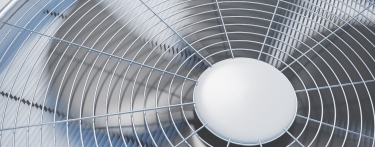
An emergency air conditioning repair occurs when a sudden system failure threatens household health, safety or property. Conversely, routine fixes handle minor performance shifts that allow your equipment to operate safely while awaiting scheduled service. Differentiating between urgent issues and standard maintenance keeps your living space comfortable while managing overall costs. When severe heat strikes or hazardous conditions appear, securing emergency air conditioning repair in Tucson provides swift relief, prevents severe structural damage and restores safety to your home immediately.
Emergency Signs: When to Call Right Away
Certain cooling problems demand an immediate response to protect your home and equipment. Recognizing critical indicators allows you to address dangerous situations before they escalate into severe property damage or health risks.
-
Complete system failure: The unit fails to turn on or blows warm air continuously during extreme heat waves.
-
Electrical hazards: Burning odors, visible sparks or constantly tripping circuit breakers require turning off the unit immediately.
-
Active water pooling: Significant water gathering around your indoor unit risks extensive structural damage to floors, walls and electrical wiring.
-
Iced or frozen coils: Solid ice buildup along internal coils signals severe refrigerant or airflow problems that can ruin your compressor.
-
Vulnerable occupants: System failure while housing elderly individuals, infants or persons with heat-sensitive medical conditions requires urgent action.
Routine Signs: When It’s Safe to Schedule Ahead
Standard maintenance appointments seamlessly address minor cooling variations while maintaining convenient flexibility for your busy calendar. Identifying low-urgency indicators allows homeowners to plan routine visits efficiently without worrying about sudden equipment failure.
-
Mild temperature fluctuations: The cooling unit takes slightly longer than normal to lower indoor temperatures or displays minor cooling lags across peak hours. These gradual performance shifts typically point to aging air filters, minor thermostat calibration needs or routine wear on internal fan belts that technicians easily adjust during business hours.
-
Faint non-recurring sounds: Soft, momentary clicks or light hums that disappear quickly after cycling the system off and on indicate stable internal operation. These brief auditory cues usually represent normal metal expansion in ductwork or basic electrical relay movements that allow the unit to run safely.
-
Isolated short cycling: Performance cycles off quickly once or twice over a long afternoon rather than constantly repeating throughout the entire day. Occasional cycling adjustments stem from slight thermostat sensor variations or minor outdoor airflow changes that standard maintenance visits resolve smoothly.
-
Brief dusty odors: Light, temporary smells when powering the system on after an extended period of inactivity clear up naturally within minutes. Dust accumulation on unused heating coils or air handlers burns off harmlessly, making standard appointment booking a perfectly safe choice.
Why the Difference Matters: Cost, Safety and Timing
Distinguishing between urgent problems and standard maintenance helps you manage your household budget effectively. While emergency service ensures swift attention during dangerous heat waves, delaying true emergencies risks severe health impacts and costly property destruction. Routine scheduling offers convenient flexibility for minor issues. Homeowners reviewing an AC emergency vs routine Tucson situation benefit from honest evaluations that prioritize family safety without pushing unnecessary high-urgency services.
Promptly addressing critical hazards prevents small electrical issues or minor refrigerant leaks from destroying central system components. Standard maintenance appointments allow technicians to replace worn belts, clear minor drain line clogs and optimize airflow before major summer temperatures place extreme stress on the equipment. Choosing the appropriate service level keeps repair bills predictable, preserves system lifespan and ensures consistent cooling performance throughout the hottest months of the year.
Quick Self-Check Before You Call
Taking a moment to evaluate your cooling equipment gives you clear clarity before booking service. Following a simple evaluation process ensures your home receives the exact level of attention required for maximum comfort and safety.
1. Is the air conditioner failing to produce cool air entirely?
Check whether warm air blows from supply vents across all rooms or if airflow has stopped completely throughout the home. A total loss of cooling during excessive heat indicates an immediate emergency that requires fast technician intervention to restore household safety.
2. Do you notice burning odors, visible sparks or a tripped breaker?
Smell around the indoor air handler and inspect your central breaker panel for persistent trips. Electrical smoke, acrid odors or sparks represent serious hazards that necessitate shutting down power immediately and requesting emergency repairs.
3. Is water actively pooling around or beneath the indoor air handler?
Look for standing water gathering on surrounding flooring, carpets or nearby drywall surfaces. Active condensate drain overflows can cause substantial structural harm, making quick professional drainage service essential for home protection.
4. Is anyone in your household particularly vulnerable to high heat conditions?
Consider whether elderly relatives, newborn infants or individuals with medical sensitivities reside in the living space. High indoor temperatures quickly create dangerous health environments for vulnerable occupants, elevating the urgency of cooling restoration.
5. Has the performance issue remained stable without worsening over twenty-four hours?
Observe if minor noises or small temperature differences stay completely consistent over a full day. Stable, low-level symptoms mean your system operates safely, allowing you to schedule convenient routine maintenance during standard operating hours.
Conclusion
Distinguishing between routine maintenance needs and critical system failures keeps your home safe while managing overall maintenance expenses. Addressing minor airflow changes or brief noises during regular business hours offers convenient scheduling. However, severe water leaks, electrical warnings or complete loss of cooling during intense heat demand immediate professional attention. At Cool Breeze Comfort Solutions, technicians mobilize quickly for urgent disruptions to protect home safety and restore indoor comfort without delay. Making practical decisions about cooling care ensures your equipment stays reliable when high temperatures arrive.
FAQs
How do I know if my AC problem is an emergency?
Total cooling failure in severe heat, electrical burning smells, major water leaks or vulnerable residents require urgent attention. Deciding when to call emergency AC repair depends on immediate health and safety risks.
Can AC repair wait until the next business day?
Repairs can safely wait when issues are mild, such as slight cooling delays or minor noises, provided no safety hazards exist.
Is emergency AC repair more expensive than routine service?
Emergency dispatches often cost more across the industry, yet delaying critical repairs causes substantially more serious damage. Urgent care preserves system integrity during severe breakdowns.