



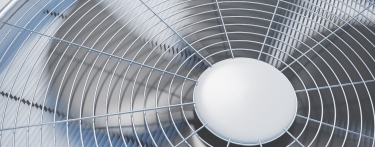
Investing in a new cooling system is a significant financial decision for homeowners in Southern Arizona. A modern HVAC system functions as a vital piece of home infrastructure rather than a simple luxury, especially when facing Tucson’s punishing triple-digit summer seasons. Operating an old, inefficient unit drives utility bills to stressful heights while leaving your indoor living spaces uncomfortable. Building an accurate budget requires a clear understanding of regional pricing factors, equipment tiers and architectural demands. Exploring the differences between traditional central air conditioning and advanced AC installation & ductless systems ensures you choose the most appropriate comfort solution for your property.
Baseline Market Pricing Profiles
Understanding the baseline pricing environment in Southern Arizona helps you establish a realistic budget for your upcoming comfort upgrade.
Typical Price Range for Central AC Systems
Standard residential air conditioning replacements in the local market generally range from $6,000 to $13,000. Smaller, entry-level systems for compact homes sit at the lower end of this spectrum. Larger properties requiring substantial cooling power fall into the higher price brackets.
Cost Differences Between Basic, Mid-Range and High-Efficiency Units
-
Basic Tier ($6,000 – $8,500): Reliable single-stage systems that meet standard regional efficiency mandates.
-
Mid-Range Tier ($8,500 – $11,000): Balanced two-stage systems offering enhanced humidity control and better energy performance.
-
High-Efficiency Tier ($11,000 – $16,000+): Premium variable-speed units boasting superior SEER2 ratings for optimal desert performance.
What “Installation Cost” Usually Includes
A flat-rate project bid from a legitimate contractor covers professional load calculations to size the equipment properly. The price also includes the physical machinery, delivery, necessary mounting pads, baseline hardware and core installation labor.
Key Factors Driving the Price Tag
Several unique variables influence the overall cost of a cooling system upgrade, directly shaping your final project invoice.
-
Size and Capacity of the AC Unit (Tonnage): Your home’s total cooling load dictates the required system tonnage. Contractors calculate this capacity based on square footage, insulation and window placement. Equipment expenses increase with every incremental increase in size.
-
Type of System (Central AC, Ductless Mini-Split, Heat Pump): Traditional ducted split systems require extensive sheet metal networks to distribute air. All-electric heat pumps provide both heating and cooling from one unit. Localized ductless mini-split arrays offer flexible, zoned comfort without any ductwork requirements.
-
Energy Efficiency Ratings (SEER/SEER2): High efficiency ratings command higher upfront prices due to advanced internal components. Strict regional SEER2 mandates in the Southwest push entry-level equipment prices upward, though these systems yield significant long-term power savings.
-
Condition of Existing Ductwork: Hidden issues like leaky, collapsed or uninsulated ductwork loops in the attic add considerable labor costs. Repairing or sealing these pathways ensures your new system operates at peak performance.
-
Home Size and Layout Complexity: Multi-story floor plans and complex architectural layouts alter equipment accessibility and installation times. Tight attic spaces or challenging roof setups require additional labor hours and specialized safety rigging.
-
Brand and Model Selection: Budget-friendly brands offer lower entry points with standard features. Trusted mid-market manufacturers provide enhanced reliability, while premium tier-one brands command top dollar for proprietary diagnostic technology and whisper-quiet operation.
-
Labor Costs and Seasonal Demand in Tucson: Local labor rates fluctuate depending on the time of year. Scheduling your project during the frantic summer rush spikes installation fees due to high demand and limited technician availability.
Additional Costs to Budget For
Planning for secondary structural and mechanical adjustments prevents unexpected financial surprises during the installation process.
Ductwork Repair or Replacement
Rebuilding deteriorating plenums or retrofitting undersized return drops adds $1,500 to $4,000 to a project. Correcting these components balances air volume to prevent premature machinery wear.
Electrical Upgrades or Panel Adjustments
Upgrading a maxed-out main breaker panel to handle a modern cooling system costs between $1,200 and $2,500. This process includes running thick-gauge wire and mounting new outdoor disconnect boxes.
Permits and Inspection Fees
Municipal building departments require official mechanical permits for legal system replacements, which usually cost $100 to $300. This fee covers independent safety inspections to verify proper installation.
Old AC Removal and Disposal
Safely hauling away an old condenser and coil involves environmental drop fees and EPA-mandated refrigerant recovery. Contractors typically bundle this $200 to $500 task into their baseline project bids.
Smart Thermostat Installation
Installing a modern Wi-Fi learning thermostat adds $250 to $600 to your budget. These advanced controllers enable precise system staging, multi-zone management and customized energy schedules.
Cost Comparison: Repair vs Replacement
Evaluating whether to restore an existing system or fund a complete installation involves analyzing asset age, component longevity and localized utility consumption patterns.
|
Evaluation Metric |
Financial Application and Climate Impact |
|
The $5,000 Rule |
Multiply system age by the repair estimate. If the total exceeds $5,000, replacement is the wiser long-term option. |
|
When Repairing Works |
Swapping standard parts like capacitors or fan motors makes excellent financial sense on systems under ten years old. |
|
When Replacement Saves Money |
Facing a failed compressor or corroded coil on an out-of-warranty system justifies a full, clean equipment replacement. |
|
Desert Energy Savings |
Upgrading an obsolete unit to a modern SEER2 system cuts summer electric bills by up to 40%. |
Conclusion
While upfront air conditioning installation costs in Tucson represent a major financial commitment, vetting equipment efficiency, factoring in structural updates and stacking regional rebates will maximize your long-term return on investment. Choosing the right system type protects your home from unpredictable energy inflation and extreme desert weather. Cool Breeze Comfort Solutions delivers engineered, desert-proof reliability with licensed technicians who understand high-heat HVAC demands. Our dedicated team remains available to ensure your new system provides optimized, climate-specific performance and enduring home comfort.
FAQs
1. What is the average lifespan of a central air conditioning system operating in the Tucson desert?
Cooling systems in this harsh climate typically last between 10 and 15 years when supported by consistent, professional preventative maintenance.
2. Can I change my traditional central air system to a ductless mini-split setup?
You can easily transition to a ductless configuration to enjoy precise zone control and eliminate energy losses caused by leaky attic ductwork.
3. Are structural building permits required for residential air conditioning replacements in Arizona?
Local municipal building codes require official mechanical permits and independent safety inspections for all residential cooling system installations.
4. How long does a standard residential cooling system installation take to complete?
A typical single-family home equipment replacement is completed by a professional installation crew within a single working day.